01Identity
Every actor has a name and scope.
People, agents, and integrations operate with understandable, bounded permissions.
BIKLABS makes agent identity, permissions, activity, and approvals visible. Teams can increase autonomy gradually while security and operations retain a shared picture.
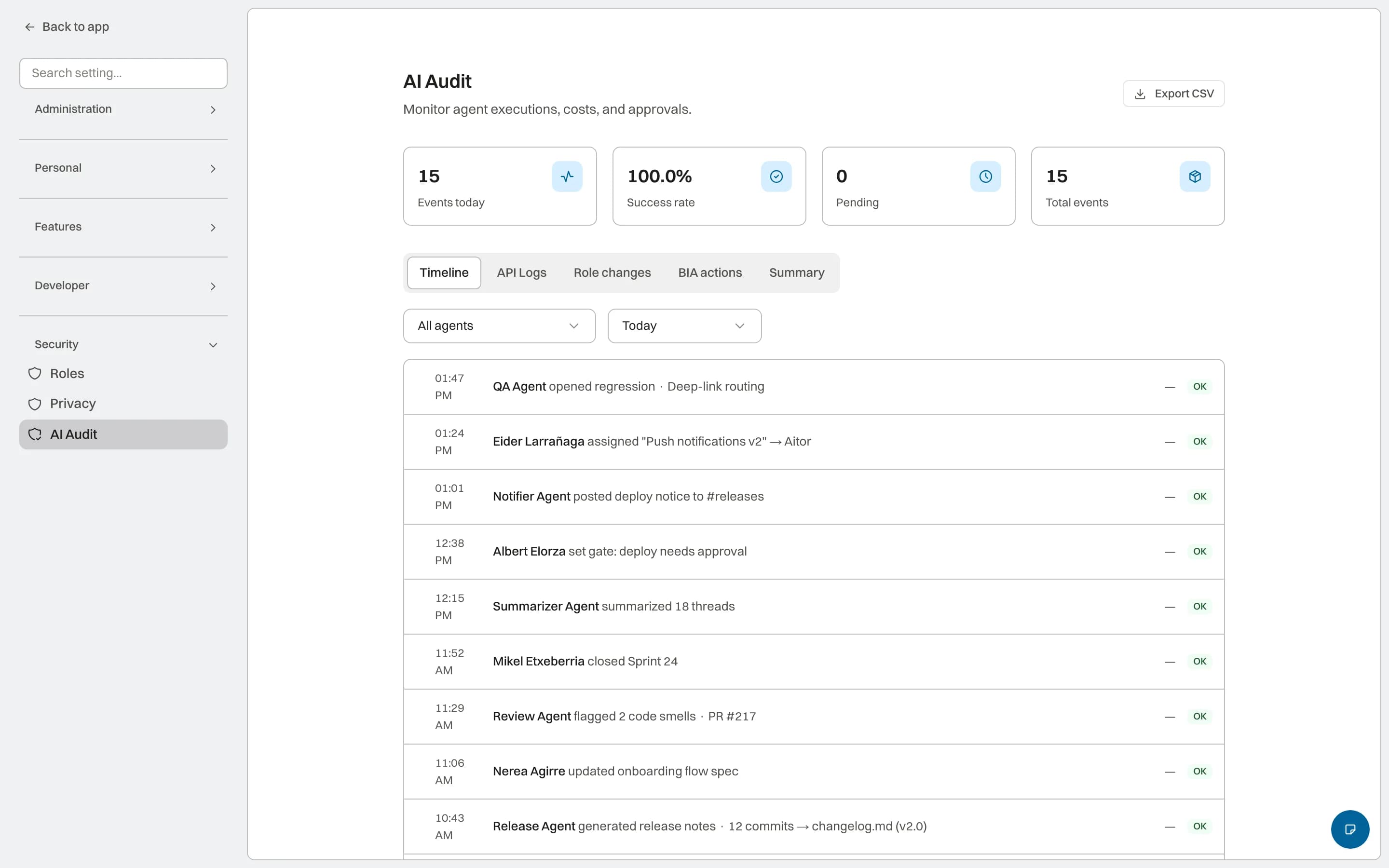
BIKLABS does not separate governance and execution into different systems. Identity, scope, evidence, and approval follow human and agent work through one operating model.
People, agents, and integrations operate with understandable, bounded permissions.
Gates introduce human review according to action, project, and impact.
Activity, provenance, and outcome remain connected to the run that produced them.
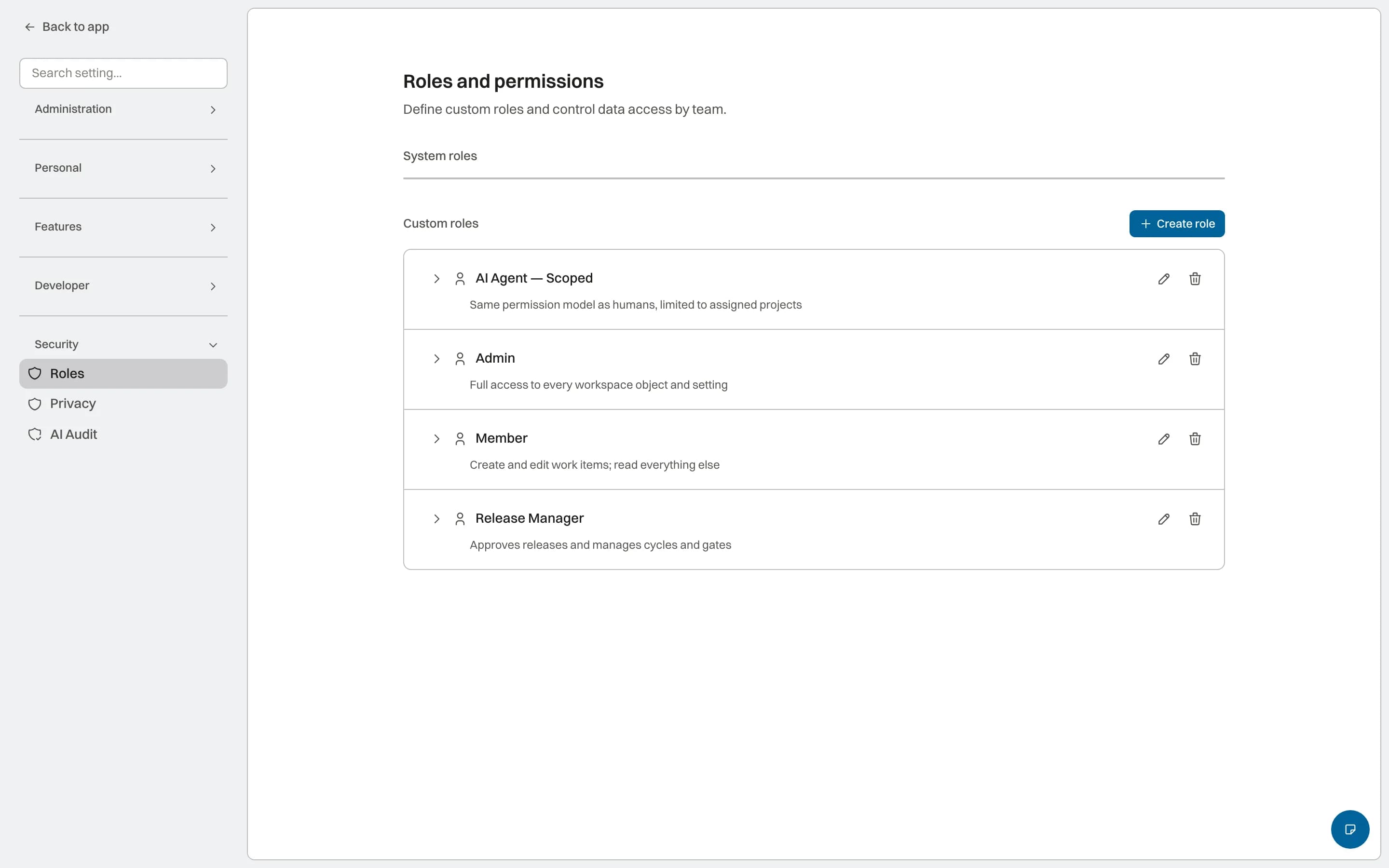
Initial roles and scoped tokens let teams evaluate access by project and operation. Complete permission inheritance and isolation at scale remain under validation.
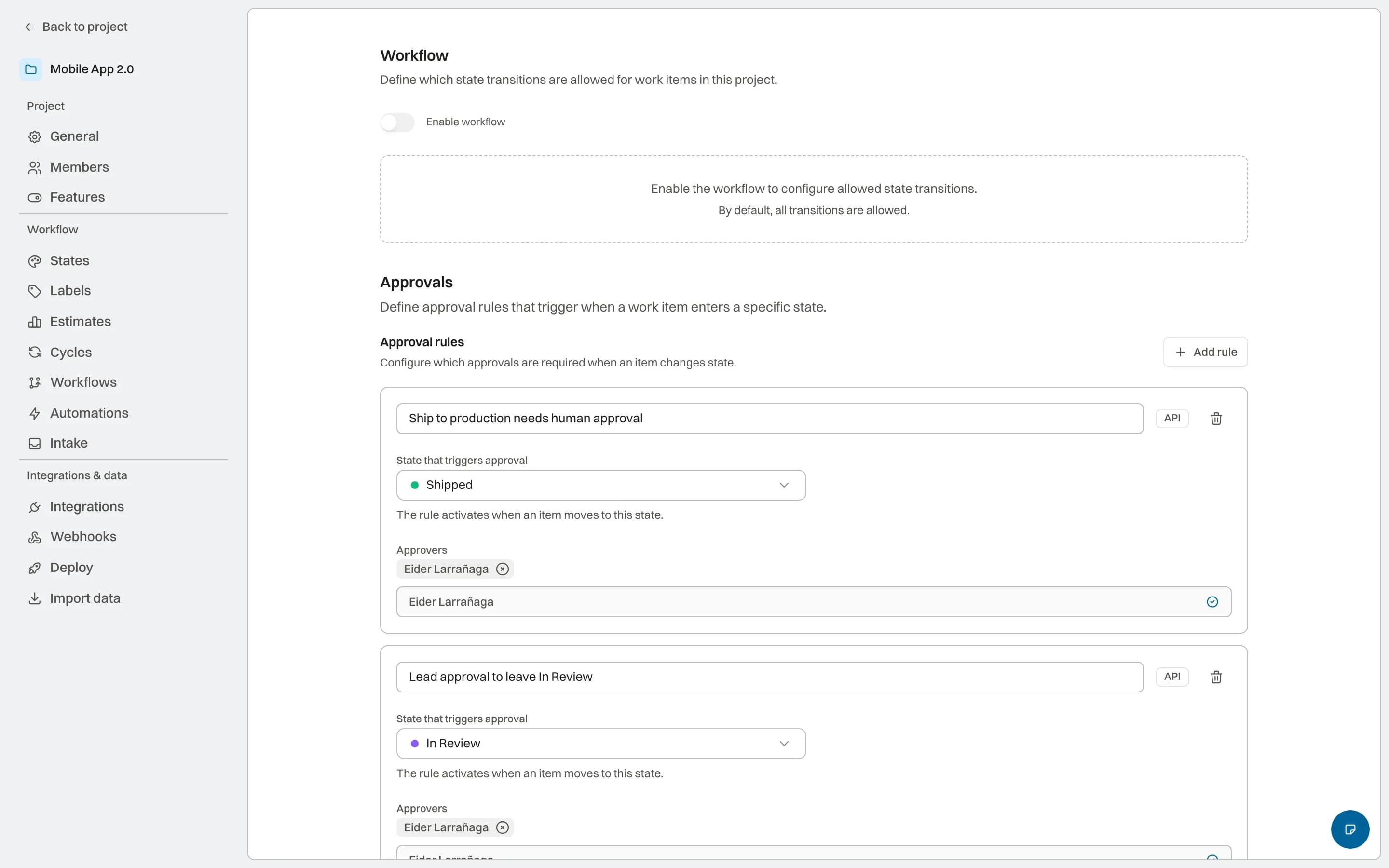
In supported transitions, a gate can show the proposal, context, and actor before releasing the next step. Action and configuration coverage expands during the pilot.
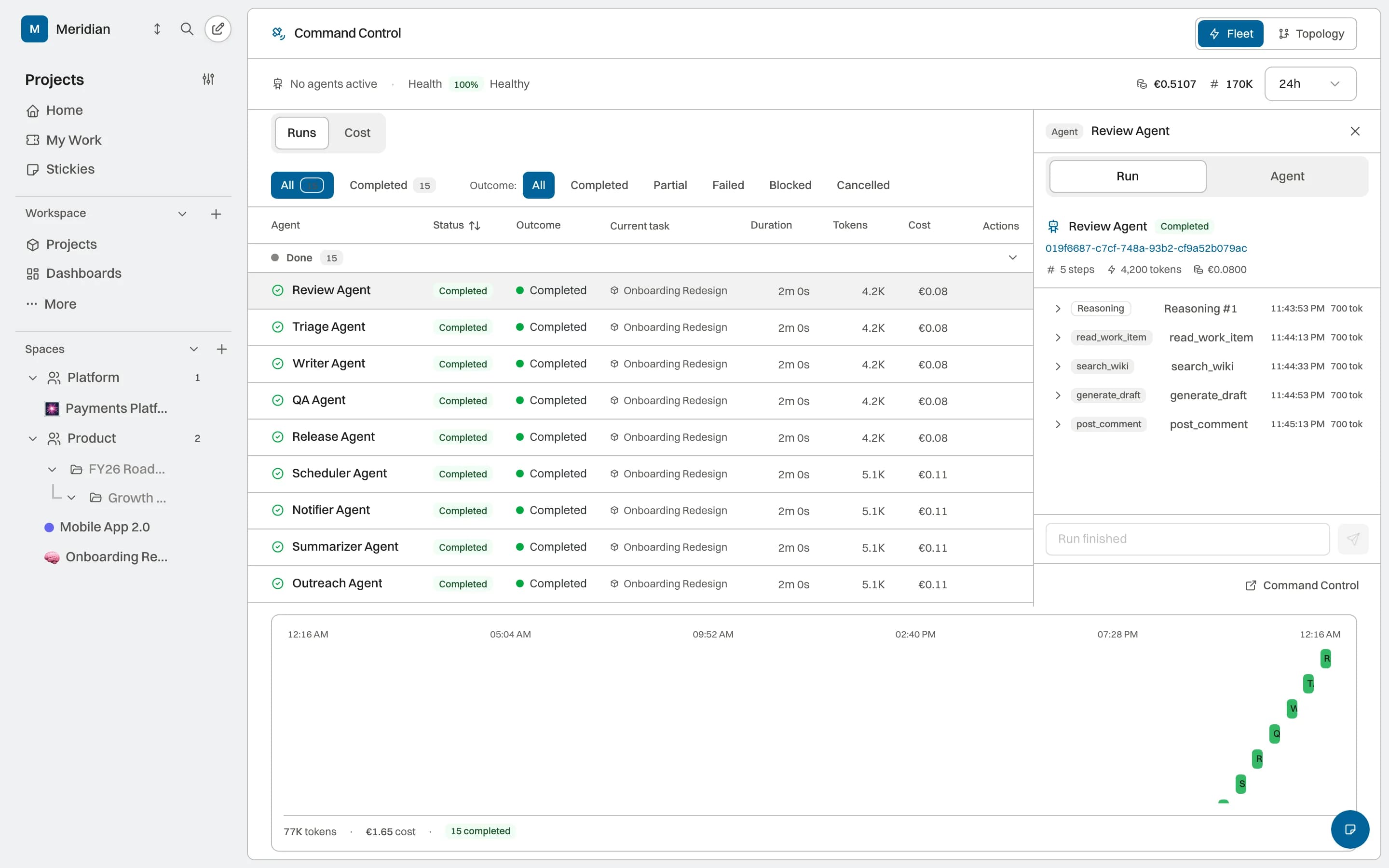
Runs can show activity, metrics, and gate decisions when that data is available. This view helps investigate an outcome without promising a complete, immutable, or universally exportable record.
SAML, SCIM, custom roles, and assisted onboarding extend the same operating model to larger organizations. Availability is discussed during enterprise evaluation.
Enterprise sign-on planned
Provisioning and roles at scale
Availability confirmed during evaluation
The starting point is not opening every permission. BIKLABS lets an organization evaluate structure, identity, and control in a limited domain before expanding scope.
Define owners, data, allowed actions, and success criteria for the pilot.
Review available identities, events, and decisions without assuming complete audit coverage.
Add domains, gates, and agents after validating control, utility, and operating capacity.
Adoption principleSAML, SCIM, advanced roles, and complete audit coverage remain outside the available promise.
Straight answers about adoption, control, and fit.
Not necessarily. The alpha lets teams evaluate limited identities and scopes; complete RBAC and inheritance coverage are still under validation.
For supported transitions, yes. Pilot gates show the proposal, actor, and context before continuing; they are not yet presented as a universal policy.
The Preview view shows events and metrics returned by the run. Coverage and export depend on the available capability; it is not treated as a complete or immutable record.
They are not presented as available today. They are marked Coming soon and their roadmap is discussed during enterprise evaluation.