01Focus
The team sees the next decision.
Goals, cycles, and blockers reduce noise without hiding what is still uncertain.
BIKLABS brings together the plan, the decisions, and the agents that execute. Less manual coordination, less lost context, and more time to discover what is worth building.
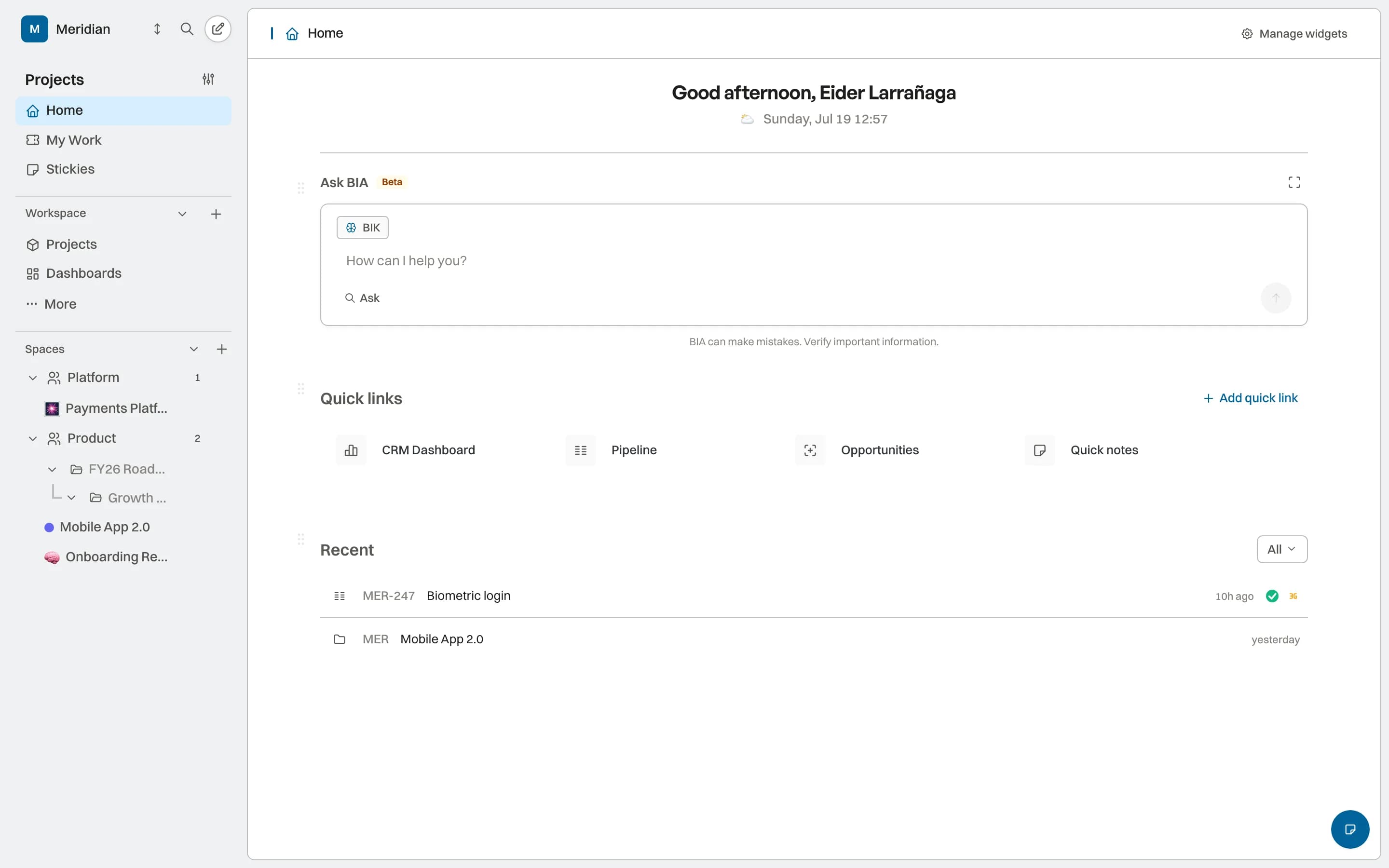
A startup changes direction often. BIKLABS keeps every decision connected to the work and lets the team add agent capacity without creating a second, invisible operation.
Goals, cycles, and blockers reduce noise without hiding what is still uncertain.
The wiki and history explain why a path was chosen when new people arrive.
The alpha validates bounded runs and visible outcomes inside the team's system.
Roadmap, cycles, work, and decisions live in the same workspace. As the team grows, nobody has to reconstruct the story from disconnected messages, documents, and boards.

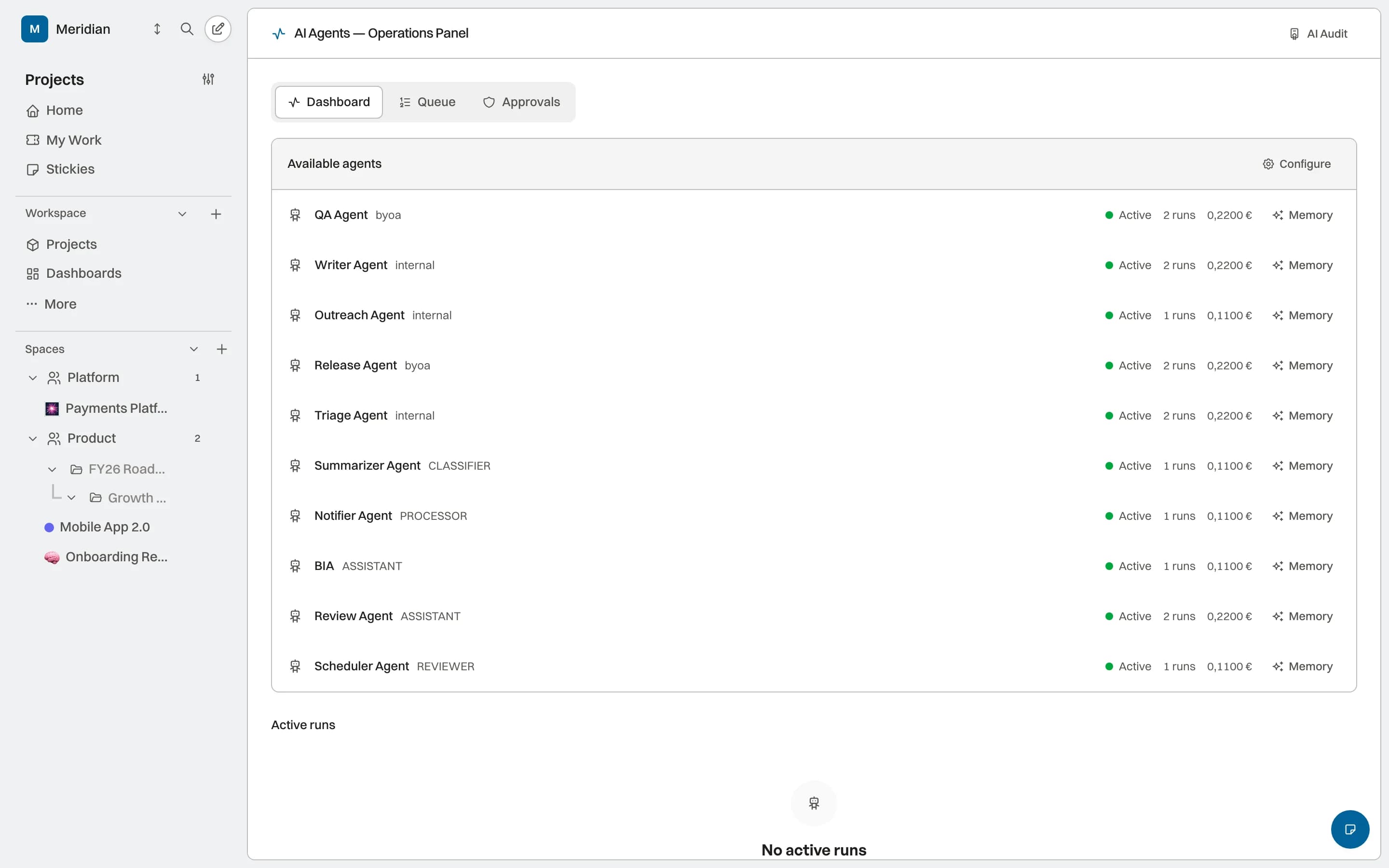
BIKLABS is validating internal agents for research, documentation, and triage with a clear role. At this stage, visible activity and outcomes help teams review the workflow before expanding autonomy.
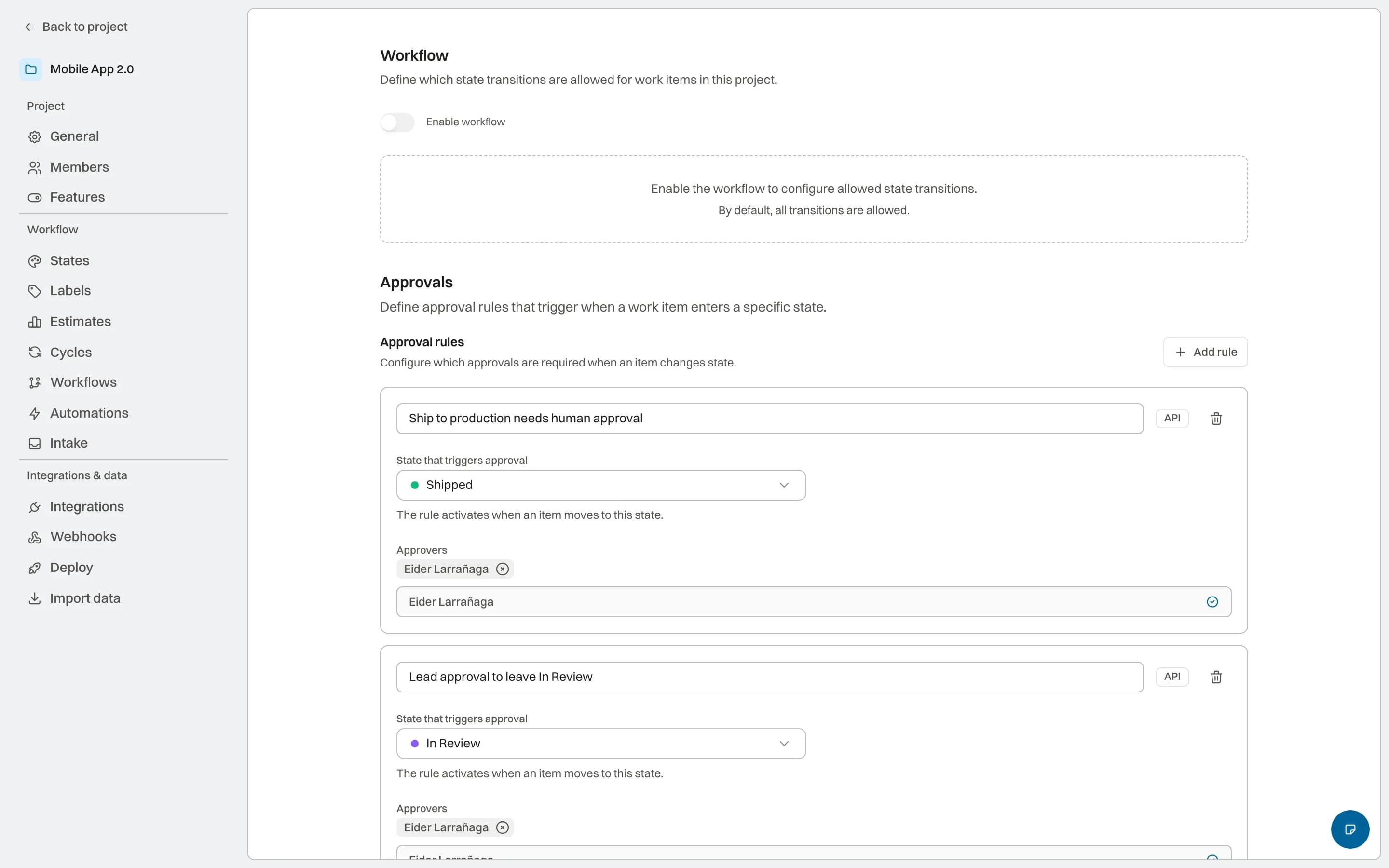
Gates are being validated to hold supported transitions before a sensitive action. Teams can evaluate the proposal, actor, and context without presenting supervision as universal.
Claude Code, Codex, or your own agents can use the current BIKLABS MCP surface for projects and work items. The agent remains in its environment and uses only the operations and scopes available today.
The agent works in its usual environment
Access is limited to enabled operations
Status can return through supported tools
A startup does not need a heavyweight rollout. Start with the product you are shipping and let structure grow only when it removes a real source of friction.
Put the objective, work in progress, owners, and decisions into one shared reality.
Use cycles and states to see what fits without turning every week into a status meeting.
Add an Alpha agent only to a repeatable task whose outcome you can review.
Adoption principleAdoption starts with projects and visible work; agents and gates are added according to their actual status.
Straight answers about adoption, control, and fit.
No. Start with projects, work items, and wiki, then add cycles, gates, or agents when the team needs more structure.
BIKLABS treats them as operational capacity with a role and scope. Responsibility, priorities, and risk decisions remain human.
Yes. Codex, Claude Code, and your own agents can keep running in their environment and use the available MCP surface for projects and work items.
They find the roadmap, decisions, documentation, and activity in the same workspace, reducing manual context reconstruction.