State does not explain the decision.
Knowing a deliverable changed is not enough to understand the criterion behind it.
Phases, drawings, issues, changes, and technical documentation need a shared history. BIKLABS connects that memory with the work moving the project forward.
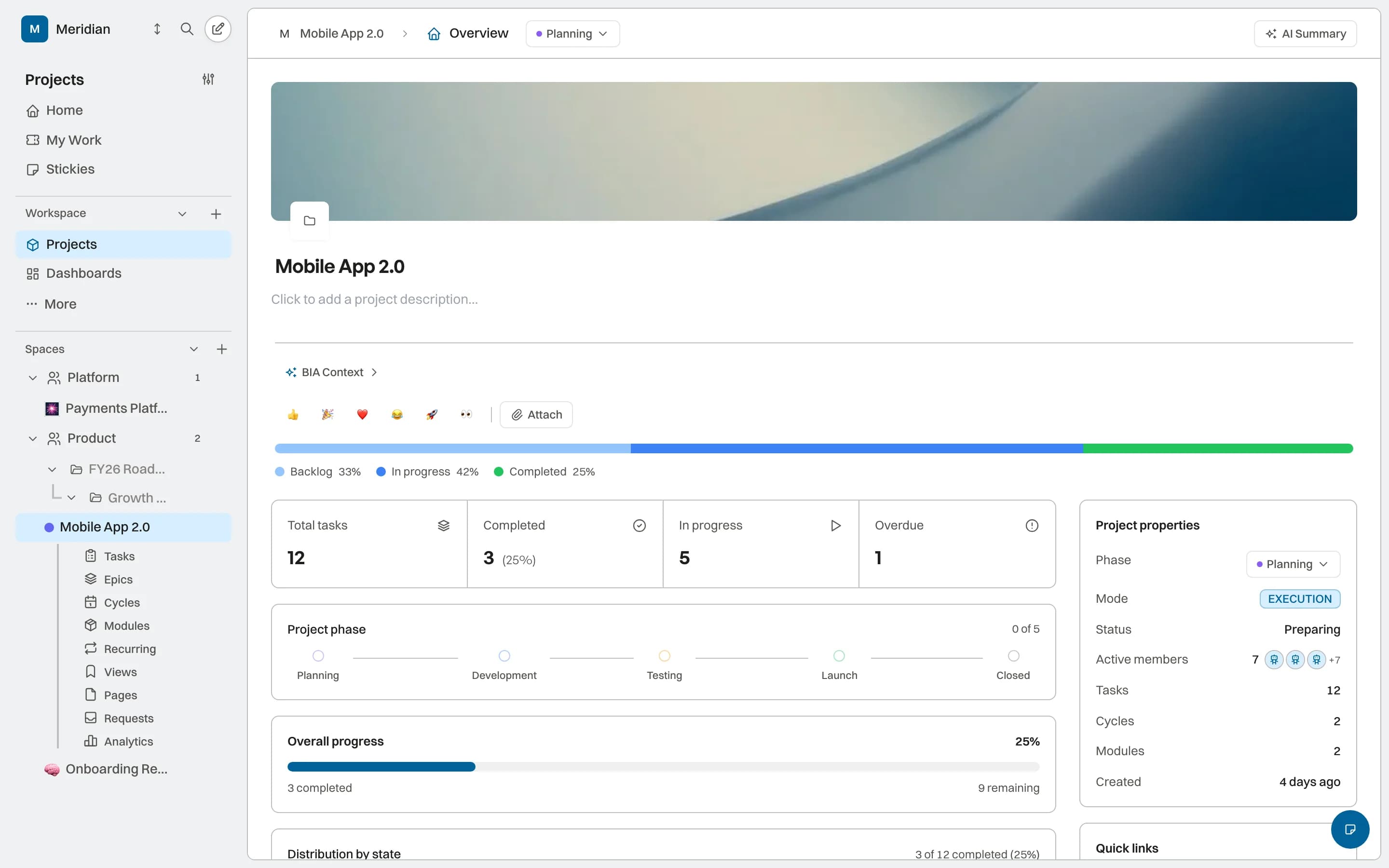
When the decision, drawing, and task live separately, the team knows the outcome but loses the reasoning, ownership, and impact of the change.
Knowing a deliverable changed is not enough to understand the criterion behind it.
A technical modification can affect documents and owners who do not share the same list.
Sources and validations are searched too late, when proving the journey is difficult.
BIKLABS organizes coordination and knowledge; it does not replace technical tools or the professional responsibility of those validating the project.
Outcomes, constraints, phases, owners, and sources form the shared reference.
Work is organized by phase, discipline, priority, dependency, and review.
Every decision retains impact, reason, owner, and related elements.
The responsible person finds evidence and work before validating a transition.
Knowledge created during the project remains available for operations and future work.
The operating summary makes scope and next steps understandable before opening detail. Additional views keep the same underlying reality.
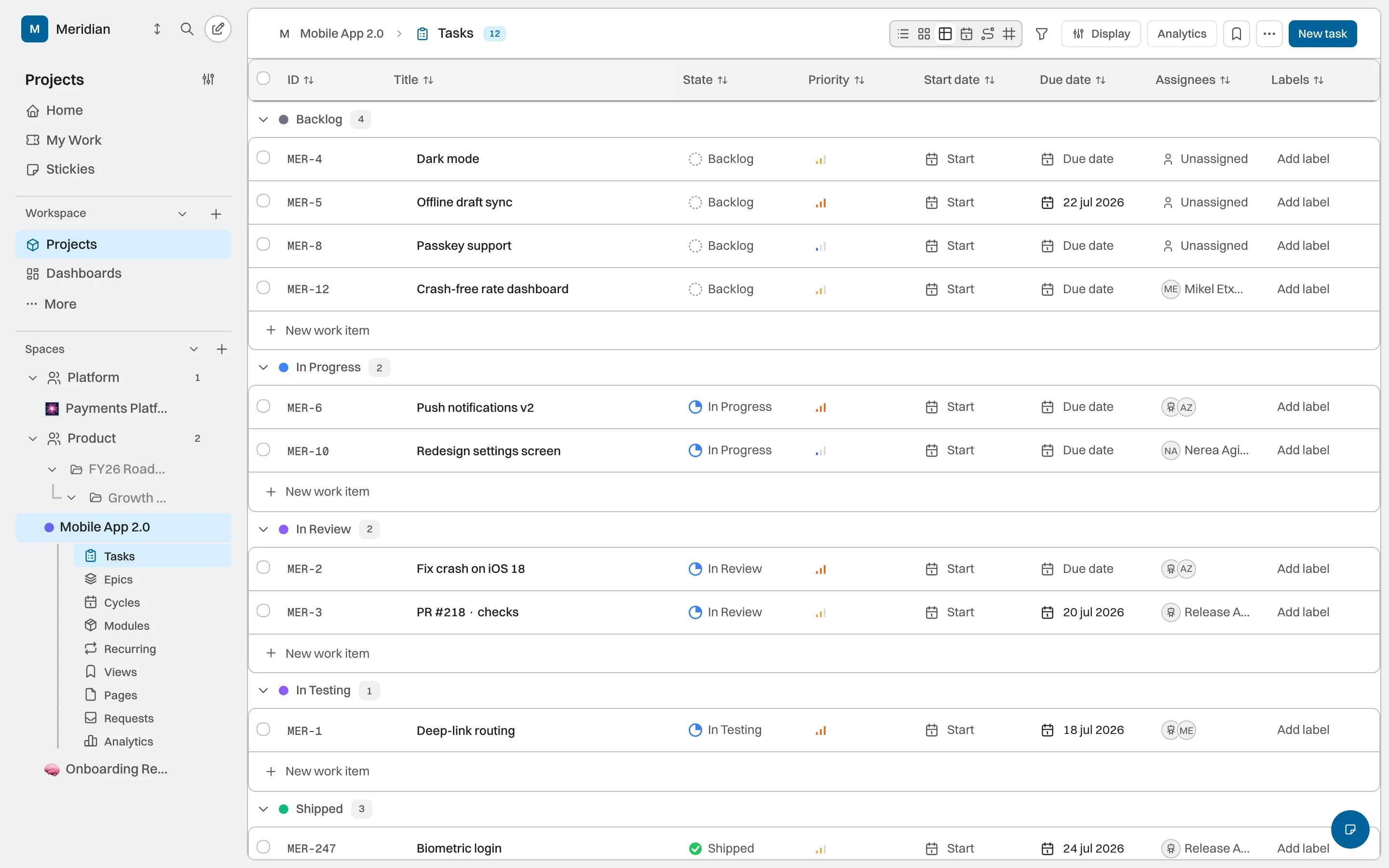
The table brings work and properties together when the team must review many decisions at once.
See how the platform fits togetherBIA or an agent can work on permitted context and prepare material for review. Responsible professionals retain validation and accountability.